


Link-building is one of the most powerful strategies to boost your website’s SEO performance. But when exactly should you begin building backlinks?
While many believe that link-building can only be effective after a site is fully optimized, the truth is that starting early can give you a significant edge.
Building quality backlinks isn’t just about increasing your website’s authority; it’s about creating a sustainable SEO foundation that will continue to pay dividends as your site grows.
In this guide, we’ll dive into the best practices for when to start building links, the risks of delaying, and how to implement an effective link-building strategy at various stages of your website’s growth.
In this article…
- What is Link Building?
- Why is It Crucial to Start Link Building Early?
- When Should You Start Building Links?
- Why Waiting too Long to Build Links is Harmful?
- Why Quality Links Matter More Than Quantity
- Why Do High-Quality Links Matter?
- What are Some Common Mistakes in Link-building?
- FAQ – When to Start Building Links
Key Takeaways
- Begin building links once your site is indexed and has content to link to. The sooner you start, the faster you can build authority and improve your rankings.
- Focus on acquiring high-quality backlinks from relevant, authoritative sites, rather than trying to build as many links as possible.
- Your link-building strategy should evolve over time. Early on, focus on foundational links, then scale up to target more competitive keywords and top-tier domains as your site matures.
- Don’t fall into the trap of chasing too many low-quality links, building links too quickly, or ignoring relevance.
- Link-building works best when combined with strong on-page SEO, content marketing, and technical SEO
What is Link Building?
Link building is the process of acquiring backlinks – links from other websites pointing to your own. These links act as votes of confidence, signaling to search engines that your content is valuable and trustworthy.
Moz explains that backlinks are critical for SEO as they represent a “vote of confidence” from other websites, helping to improve search engine rankings.
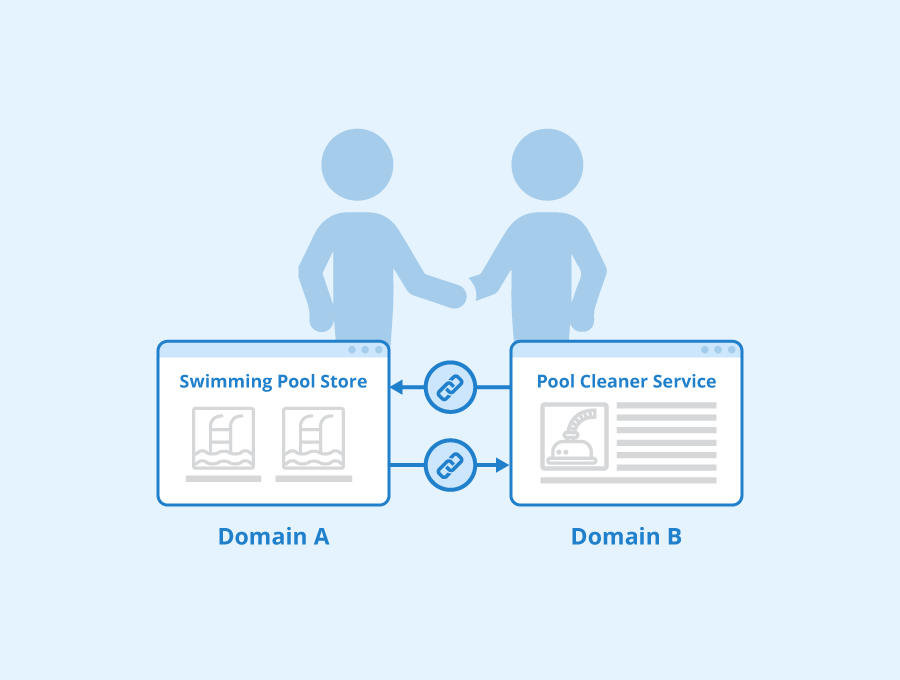
In Google’s eyes, the more high-quality backlinks a page has, the more likely it is to rank well in search results.
So, why should link-building be a priority for your SEO strategy?
The simple answer is: backlinks are one of the most important ranking factors for search engines. Without a strong link profile, even the best content can struggle to get noticed.
However, building links isn’t just about collecting as many as possible – quality matters more than quantity.
Why is It Crucial to Start Link Building Early?
Link-building helps establish your website’s authority, and the earlier you start, the faster you can see the rewards. Think of it like planting seeds.
The more you plant early on, the bigger your garden will be in the long run. And if you wait too long, you could fall behind competitors who have already been building links.

When you begin building links early, you can:
- Establish authority faster: The more links your website has, the higher the likelihood of ranking for competitive keywords.
- Increase visibility: Link-building pushes your content to the forefront of search engine results, which increases your chances of being seen by your target audience.
- Enhance trustworthiness: Quality backlinks from reputable sites signal that your content is credible, which helps build trust with both users and search engines.
However, link-building isn’t a one-time tactic – it’s a continuous process. The earlier you begin, the more effective your link-building strategy will be in the long run.
When Should You Start Building Links?
The simple answer: the sooner, the better. However, it’s essential to balance link-building efforts with the readiness of your website.
Link-building should begin once your site is indexed by search engines and has some valuable content to link to. Starting too early without a well-structured website or content will not yield meaningful results.

Here’s what you need to know about the optimal timing for link-building:
| Timing | What You Should Have in Place | Why It’s Important |
| Before Launch | A basic website structure, content plan, and initial content. | You can begin outreach to a select group of websites to create awareness and build early links. |
| Once Indexed | At least a few pages of high-quality content ready for links. | Search engines need to crawl and index your site before any link-building efforts can have an impact. |
| After Significant Content is Published | A well-established content library. | More content means more opportunities for relevant, targeted link-building. |
| When Technical SEO is Solid | A website that loads quickly, has no broken links, and is mobile-friendly. | Poor technical performance can undermine any link-building efforts. Start link-building once your site performs well technically. |
Why is it important to start early?
Link-building isn’t a quick process – it takes time to build a strong backlink profile.
The earlier you start, the quicker you begin establishing domain authority and improving your site’s chances of ranking higher in search engine results pages (SERPs). Early link-building allows you to:
- Establish authority faster: The more links your site accumulates early on, the quicker you’ll build credibility with search engines.
- Gain early traction: With backlinks, your site has a better chance of appearing in search results for your targeted keywords.
- Beat competitors to the punch: If you delay building links, your competitors may already have a head start in ranking for relevant keywords.
Starting early ensures that your site has the necessary momentum to rank higher and secure long-term SEO benefits.
However, starting too early without the proper foundation – such as sufficient content or technical optimization – could hurt your SEO in the long run. It’s about striking the right balance.
How Link Building Evolves as Your Site Grows
Link-building is a gradual process that should evolve as your site matures.
Early on, your focus will be on establishing your website’s foundation, but as your site gains authority and content expands, your strategy should shift to reflect these changes.
Below is a breakdown of how your link-building efforts should evolve at different stages of your website’s growth:
| Website Stage | Link-Building Focus | Tactics |
| Early Stage | Focus on foundational, high-quality links. Start small but consistently. | Guest blogging, outreach to niche directories, resource pages, and influencer mentions. |
| Growth Stage | Diversify link sources and focus on mid-authority sites. Aim for competitive keywords. | Broader outreach, include partnerships, targeted guest posts on high-traffic blogs, link exchanges. |
| Advanced Stage | Target top-tier, authoritative links to solidify and maintain authority. | Build relationships with industry leaders, acquire editorial links, focus on strategic collaborations. |
How Link Building Evolves in Each Stage
Early Stage:
At the start of your website’s journey, your goal is to build a solid foundation. During this stage, your link-building efforts should focus on acquiring high-quality, niche-specific links.

Since your site is still gaining authority, you need to create content that is link-worthy and reach out to authoritative websites within your industry to begin building your backlink profile.
Growth Stage: As your website gains traction, you’ll begin to see an increase in organic traffic. This is the time to diversify your link-building strategy. Focus on building links from a broader set of authoritative sources to solidify your site’s presence.

You can start targeting more competitive keywords as your domain authority improves. Look for opportunities such as collaborations, influencer outreach, and partnerships to further expand your link profile.
Advanced Stage: Once your site is established and ranks for your target keywords, your link-building efforts should focus on maintaining and growing your authority. At this point, your focus should be on acquiring links from the most authoritative domains in your niche.

Building relationships with industry leaders and securing high-quality editorial links will help ensure that your site stays competitive in the long run.
Why is This Evolution Important?
Adapting your link-building strategy as your site grows allows you to make the most of your website’s increasing authority.
Early on, securing foundational links sets the stage for future growth. As your content and traffic increase, scaling your efforts ensures your backlink profile remains strong and diverse.
Ahrefs notes that even new websites can benefit from building foundational links to kickstart their SEO efforts. It emphasizes that starting with a few dozen high-quality links can establish early authority.
By the advanced stage, focusing on high-quality, authoritative links will keep your rankings stable and competitive.
Why Waiting too Long to Build Links is Harmful?
The longer you wait to start building links, the harder it becomes to catch up with competitors who have already established a solid backlink profile.
Here’s why waiting too long can harm your SEO:
| Risk | Impact on SEO |
| Lost Ranking Opportunities | Without backlinks, your pages are less likely to rank for competitive keywords, reducing organic traffic potential. |
| Delayed Domain Authority Growth | The longer you wait to build links, the slower your domain authority will increase, delaying your site’s ability to rank higher. |
| Competitive Disadvantage | Sites that have been building links for a longer period will have an edge, making it harder to outrank them. Early link-building gives you a stronger chance of catching up. |
Additional Risks to Consider:
- Lost Traffic: Without strong backlinks, your site won’t rank for competitive keywords. Waiting to build links means you risk missing out on valuable organic traffic that can drive growth.
- Increased Difficulty in Catching Up: Websites that have been building links for longer will have a significant head start in rankings. Delaying link-building could leave you playing catch-up and make it harder to outrank well-established sites.
- Difficulty Gaining Trust: Backlinks play a significant role in establishing trust with search engines. If you wait too long to build links, your site may struggle to gain credibility, which could impact both rankings and user perception.

How To Start Building Links the Right Way
Starting a link-building campaign doesn’t need to be overwhelming. By following these key steps, you can begin building a strong backlink profile from the get-go:
- Research Quality Websites: Identify reputable websites in your industry or niche that can offer valuable backlinks. Start by focusing on websites with high domain authority and relevance to your content.
- Create Link-Worthy Content: Publish high-quality, engaging, and informative content that naturally attracts backlinks. Your content should offer solutions, insights, or resources that others in your industry will find useful.
- Outreach to Influencers: Building relationships with influencers or prominent figures in your niche can help you secure backlinks. Reach out to them for guest posting opportunities or to feature your content in their articles.
- Diversify Your Link Sources: A varied link profile is essential for SEO. Look for different types of links, including resource pages, guest posts, mentions, and social media shares.
Actionable Link-Building Strategies:
- Guest Blogging: Guest blogging remains one of the most effective ways to gain quality backlinks. Reach out to well-known blogs in your niche and offer to write valuable content in exchange for a link.
- Broken Link Building: Use tools like Ahrefs or SEMrush to identify broken links on authoritative websites in your industry. Reach out to the site owner, and suggest your content as a replacement, providing both value to them and a new backlink for you.
- Link Reclamation: Monitor online mentions of your brand or content that don’t include backlinks. Contact the content creators and politely ask them to add a link to your site.
Why Quality Links Matter More Than Quantity
Not all backlinks are created equal. While it may seem tempting to pursue as many backlinks as possible, the truth is that quality is far more important than quantity when it comes to link-building.
Here’s why:
| Link Type | Impact on SEO |
| High-Quality Links | Links from authoritative, relevant sites provide significant SEO value and boost rankings. |
| Low-Quality Links | Links from spammy, irrelevant, or low-authority sites can harm your rankings and damage your site’s reputation. |
Why Do High-Quality Links Matter?
These links help improve your website’s credibility in the eyes of search engines like Google.
Higher Authority Impact: Links from authoritative websites, particularly those with high domain authority, pass more SEO value to your site.

Relevance is Key: Backlinks from websites in your niche or industry are much more valuable than random, unrelated sites. Relevant links signal to search engines that your content is trusted within your specific area of expertise.
Google’s documentation highlights that links are a key signal for determining page relevancy and discovering new content, emphasizing the importance of crawlable, high-quality links for long-term SEO success.

Sustainable Growth: While it might seem like acquiring lots of links quickly will boost your rankings, relying on low-quality links could lead to penalties.
On the other hand, high-quality backlinks build a sustainable foundation for long-term growth, strengthening your SEO position over time.
What Makes a Link High-Quality?
- Domain Authority (DA): A link from a site with high DA, like established industry websites, carries more weight in search rankings.
- Relevance to Your Content: Links from sites that are relevant to your niche or topic provide more SEO benefit. Relevance signals to search engines that your site is a trusted source in your field.
- Editorial Links: Editorially placed links (links that are naturally embedded within content) are considered more valuable than links placed in footers or sidebars.
- Traffic: Links from sites that receive a significant amount of organic traffic can also drive referral traffic to your site, further boosting your SEO.
The Risks of Focusing on Quantity Over Quality
- Google Penalties: Google’s algorithm is designed to reward natural, high-quality link-building practices. Using manipulative tactics to acquire a large number of low-quality links (e.g., link farms or paid links) can result in penalties that harm your rankings.
- Short-Term Gains: Even if you manage to build hundreds or thousands of links quickly, low-quality links won’t lead to sustainable rankings. In fact, they may even backfire and hurt your site in the long run.
- Damaged Reputation: Links from irrelevant or spammy sites can also damage your brand’s reputation. A poor backlink profile can raise a red flag for search engines and make it harder for your site to rank well.
What are Some Common Mistakes in Link-building?
Effective link-building requires a strategic approach, and avoiding common mistakes can save you from penalties and missed opportunities.
Here are some of the most frequent link-building errors:
Chasing Quantity Over Quality
As discussed, focusing on the number of backlinks rather than their quality can lead to penalties and long-term ranking issues.

Building Links Too Quickly
Sudden, rapid increases in backlinks can look unnatural to search engines and raise red flags, potentially leading to a penalty. It’s better to focus on gradual, organic growth over time.

Ignoring Relevance
Acquiring backlinks from irrelevant websites or niches dilutes your SEO efforts. Always ensure that the sites linking to you are relevant to your content and industry.
Using Low-Quality Link Sources
Using link farms, paid links, or directories that aren’t reputable can result in low-quality backlinks that negatively impact your SEO.

Not Diversifying Link Sources
Relying on just one type of backlink, like guest posts, can limit your strategy. Make sure to diversify your link-building efforts by pursuing a variety of link types from different sources (e.g., editorial links, mentions, directories, etc.).
Actionable Tips to Avoid These Mistakes
- Focus on Earned Links: Create high-quality content that naturally attracts backlinks. This is the most effective way to build a strong link profile.
- Build Relationships: Connect with industry influencers and collaborate on content or projects to earn editorial links.
- Track Your Link Profile: Use tools like Ahrefs or SEMrush to monitor the quality and source of your backlinks. Disavow any toxic links to avoid penalties.
How Link-Building Fits into Your Overall SEO Strategy
Link-building is just one part of a broader SEO strategy.
To achieve sustainable growth and rankings, it’s essential to integrate link-building with other SEO practices such as:
| SEO Element | How It Works with Link-Building |
| On-Page SEO | High-quality backlinks support on-page SEO efforts, boosting the authority of your pages and driving rankings. |
| Content Marketing | Link-building thrives when content is valuable, shareable, and optimized for your target audience. |
| Technical SEO | A technically optimized website ensures that backlinks are properly indexed and don’t suffer from crawlability issues. |
| User Experience | Backlinks that drive traffic to a website with a poor user experience may result in high bounce rates and hurt SEO. |
Link-building should work hand-in-hand with other SEO efforts, especially content creation, technical SEO, and user experience improvements.
When combined, these elements ensure a cohesive strategy that not only attracts backlinks but also ensures that your site is optimized for search engines and users alike.
Conclusion: When to Start Building Links
Link-building is a critical part of any successful SEO strategy, but knowing when to start is key to achieving sustainable growth and higher rankings.
Starting early, once your website is indexed and has valuable content, is the best approach. Waiting too long to begin building links can leave you struggling to catch up with competitors who have already established a strong backlink profile.
As your website evolves, so should your link-building strategy. In the early stages, focus on foundational, high-quality links to build domain authority.
As your site matures, scale up your efforts to target more competitive keywords and authoritative domains.
Throughout this process, remember that quality always trumps quantity – high-quality, relevant backlinks are far more valuable than a large number of low-quality ones.
Effective link-building doesn’t happen overnight, but by starting early, evolving your strategy as your site grows, and focusing on building a sustainable, high-quality backlink profile, you’ll set yourself up for long-term SEO success.
FAQ – When to Start Building Links
When is the best time to start building links?
The best time to start building links is once your website is indexed by search engines and has valuable content ready to be linked to. Starting early helps build domain authority and improve rankings over time.
Can I start building links before my website is fully optimized?
Yes, you can begin building links even before your website is fully optimized, as long as it’s indexed by search engines and has content worth linking to.
However, make sure your site’s technical SEO is sound to maximize the effectiveness of link-building.
How long does it take to see results from link-building?
It can take several weeks or months to see noticeable results from link-building, depending on the quality of your backlinks and the competitiveness of your target keywords.
Link-building is a long-term strategy that requires patience.
What types of links should I focus on first?
In the early stages, focus on acquiring high-quality, niche-specific links from relevant and authoritative sites. Guest posts, resource pages, and influencer mentions are good starting points.
Is it okay to buy backlinks for SEO?
Buying backlinks is not recommended as it violates Google’s guidelines and can result in penalties. Instead, focus on natural link-building techniques such as guest blogging, content marketing, and outreach.
How can I track the effectiveness of my link-building efforts?
Use tools like Ahrefs, SEMrush, or Google Search Console to monitor the growth of your backlink profile, track referring domains, and measure how those links affect your rankings and organic traffic.
What are the risks of focusing on low-quality backlinks?
Low-quality backlinks from spammy sites can harm your SEO by lowering your domain authority and potentially triggering penalties from search engines.
It’s crucial to focus on obtaining high-quality, relevant links.
How can I get high-quality backlinks?
You can acquire high-quality backlinks by creating valuable, shareable content, reaching out to authoritative sites for guest posting opportunities, and engaging with influencers or industry leaders in your niche.





 Start the conversation