


You can buy links. You can beg for them. Or you can earn them – the way Google actually respects.
Organic link building isn’t a growth hack. It’s a trust signal. Brands that earn links naturally dominate the long game.
But here’s the problem: most businesses either chase paid backlinks that backfire or create content no one wants to link to.
This guide breaks down what organic link building really means, why it beats paid tactics, and how to make people link to you without asking.
You’ll see exactly what counts as “natural” in Google’s eyes, which strategies work for B2B and B2C, and where most SEO pros get it wrong.
In this article…
- What is Organic Link Building?
- Why Organic Links Matter More Than Ever
- How Organic Link Building Differs from Paid Strategies
- How To Earn Organic Backlinks with High-Value Content
- Do Organic Links Deliver Better ROI Than Paid Campaigns?
- Best Ways to Get Organic Links for SaaS Companies
- What Google Considers a Natural Backlink
- How B2B vs. B2C Brands Should Approach Organic Links
- Why Faking Organic Link Building Backfires
- How To Build an Organic Link Strategy That Actually Works
- Conclusion: Organic Link Building Wins Long Term
- FAQ: Organic Link Building
Key Takeaways
- Organic link building earns links naturally through value-driven content and real relevance – no link exchanges or payment.
- Google prefers organic links because they indicate genuine authority, not manipulation.
- Paid links carry risk – including manual penalties and algorithm suppression.
- The ROI of organic links is higher because they last longer, bring better traffic, and compound over time.
- Faking organic links creates detectable patterns – and Google is better than ever at spotting them.
What is Organic Link Building?
Organic link building is when people link to your content without you paying, begging, or forcing them. These links happen naturally – when someone finds your content valuable enough to reference it on their own site.
It could be a blogger citing your research, a journalist linking to your guide, or a business mentioning your tool in a roundup. No transaction. No gimmick. Just value.

What makes it “organic” isn’t just the absence of payment – it’s the relevance, context, and intention behind the link. It fits naturally. It serves the reader. It boosts the credibility of both the linker and the linked.
Google favors these links because they reflect real-world trust. They’re harder to get, but they carry more weight. Ahrefs’ 2024 data confirms a “snowball effect” for organic links on high-ranking pages.
You can’t fake relevance over time – which is why organic links hold stronger in the algorithm and resist penalties.
What Counts as an Organic Link?
| Element | Organic | Not Organic |
| Earned via content | Yes | No |
| Placed editorially | Yes | No |
| Exchanged or paid | No | Yes |
| From relevant context | Yes | No |
| Part of a scheme | No | Yes |
The entire point of organic link building is this: create something people want to link to – and make sure they can find it.
Why Organic Links Matter More Than Ever
Because Google’s smarter than it’s ever been – and it’s done playing games with paid links and manipulation.
Organic backlinks are one of the few ranking signals that consistently deliver results without triggering penalties.
Every core update makes it harder for artificially inflated pages to rank. Google now evaluates the why behind a link, not just the where.

What does that mean? It means backlinks built on relevance, editorial placement, and real content value carry more weight. And they last longer.
Meanwhile, links that are bought, bartered, or blindly placed get devalued – or worse, flagged.
Organic links also compound. One link from the right site can lead to more exposure, more citations, and a natural snowball effect. That’s why top-ranking pages often attract more links after ranking – because they’ve already proven trustworthy.
Organic vs Paid Link Outcomes (12-Month Impact)
| Metric | Organic Links | Paid Links |
| Ranking stability | High | Low to Medium |
| Risk of penalty | None | Moderate to High |
| Link decay rate | Low | High |
| Referral traffic quality | High | Low |
| Long-term ROI | Strong | Weak |
If your link profile is built to impress Google now, it should also survive the next algorithm update. Organic links are the only ones built to last.
How Organic Link Building Differs from Paid Strategies
Organic links are earned. Paid links are placed. That one difference changes everything.
In organic link building, the link is a byproduct of content value – someone links to you because it helps their audience. With paid link building, you’re buying placement – usually on a site that publishes anything for the right price.
Paid links might work in the short term. But they come with baggage: disclosure issues, algorithmic devaluation, manual actions, and unnatural link patterns.

Organic links, on the other hand, blend into the web naturally – they fit the content, match the context, and help build actual authority.
Google’s link spam updates now use machine learning to detect artificial patterns. That means even if your paid links aren’t penalized outright, they’re often silently ignored.
Key Differences Between Organic and Paid Link Building
| Factor | Organic Link Building | Paid Link Building |
| Source of link | Editorial decision | Financial transaction |
| SEO risk | Low to none | Medium to high |
| Lifespan | Long-term | Often removed over time |
| Cost per link | Low (content-driven) | High (placement fee) |
| Google compliance | Fully compliant | Violates guidelines |
| Sustainability | Scalable | Requires ongoing spend |
If you’re playing the long game, organic wins every time. It’s slower – but the payoff is bigger, safer, and exponential.
How To Earn Organic Backlinks with High-Value Content
Nobody links to average content. If you want links without asking, you need to publish assets people want to reference. BuzzSumo’s 2024 Content Analysis found original research earns 8x more links than standard blog posts
Organic links are the side effect of publishing the kind of content others rely on to make their own content stronger. That means going beyond basic blog posts.

You need to create content that solves problems, backs up claims, or adds depth – the kind of thing writers, bloggers, and editors want to cite.
There are five proven content types that consistently earn links organically:
- Original Research or Data Studies
- Example: A B2B SaaS company analyzing email open rates across industries.
- These get linked by journalists, bloggers, and marketers needing trusted stats.
- Example: A B2B SaaS company analyzing email open rates across industries.
- In-Depth Guides and Tutorials
- Step-by-step how-tos that break down complex topics.
- These attract links from smaller blogs and help pages.
- Step-by-step how-tos that break down complex topics.
- Interactive Tools or Calculators
- Something people can use and share.
- Example: ROI calculators, SEO checkers, or health metric tools.
- Something people can use and share.
- Expert Roundups or Thought Leadership
- Content that brings together multiple expert voices.
- When done well, contributors link back and others cite it.
- Content that brings together multiple expert voices.
- Visual Content (Infographics, Charts)
- Easy-to-share visual breakdowns of key ideas.
- Great for outreach and embeds.
- Easy-to-share visual breakdowns of key ideas.
Content Formats That Earn Links Organically
| Format | Linkability Score (1–10) |
| Original Research | 10 |
| Interactive Tools | 9 |
| How-To Guides | 8 |
| Visual Assets | 7 |
| List Posts | 6 |
| Opinion Pieces | 4 |
Tip: Optimize every piece for search. Organic links often come from pages ranking on page 1 – because visibility drives linkability.
Do Organic Links Deliver Better ROI Than Paid Campaigns?
Yes – because once you earn them, they keep working without additional cost or risk.
Paid links are a transaction. You pay once, maybe see a short-term boost, and then hope it sticks.
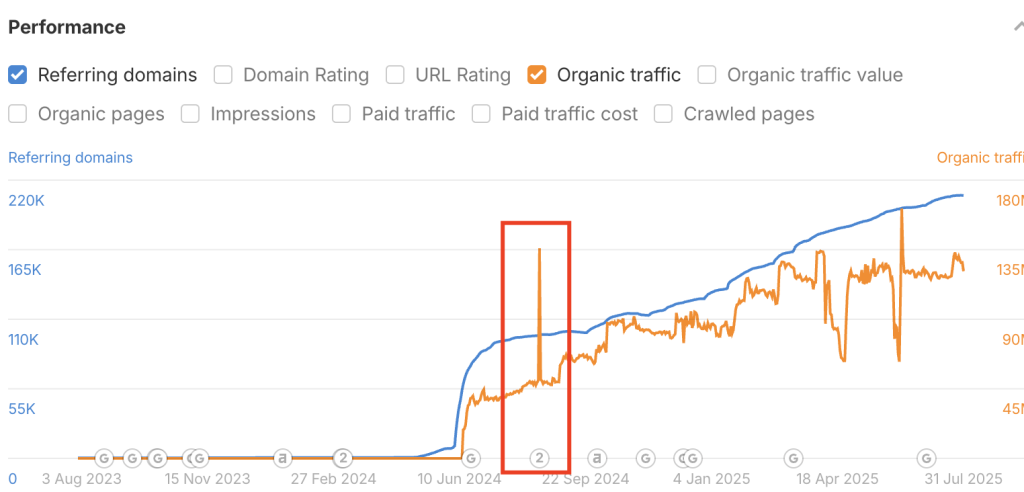
But many of those links disappear, get deindexed, or lose value over time. Worse, you’re on the hook every month to keep the volume up.
Organic links, on the other hand, are assets. Earn them once with strong content, and they continue to drive authority, rankings, and traffic – without any recurring costs.
They compound over time and are more resistant to Google updates.
Even from a financial view, organic link building wins. The content you create to attract links also builds brand awareness, ranks in SERPs, and converts users – something paid links never do on their own.
Organic vs Paid Link Building ROI
| Metric | Organic Links | Paid Links |
| Initial Cost | Low (content + time) | High (per-link fees) |
| Lifetime Value | High | Low to medium |
| Risk of Penalty | None | High |
| Traffic Quality | High (relevant users) | Low |
| Scalability | Compounding | Costly to scale |
| Content Repurposing Value | High | Zero |
If you’re measuring ROI in months – go paid. If you’re building authority for years – go organic.
Best Ways to Get Organic Links for SaaS Companies
SaaS brands don’t need more backlinks – they need the right backlinks from industry-relevant sources.
The most effective way for a SaaS company to build organic links is to become a resource. When your product solves real problems and your content supports real decisions, people link to it naturally. That’s the goal.
Here are the top organic link strategies that work consistently in SaaS:
1. Create Original Data or Industry Benchmarks
Pull usage data from your platform (anonymized), publish industry reports, or run surveys. These get cited in blog posts, investor decks, and press articles.

Example: MordorIntelligence publishing SEO market size and stats
2. Publish Integration Pages
Each integration (Slack, HubSpot, Salesforce, etc.) deserves a dedicated landing page. Other tools and blogs link to these for cross-compatibility content.

Tip: Include setup guides – even more linkable.
3. Build Free Tools or Templates
Create a calculator, quiz, or downloadable resource that supports your niche. These get shared in blog posts, newsletters, and communities.
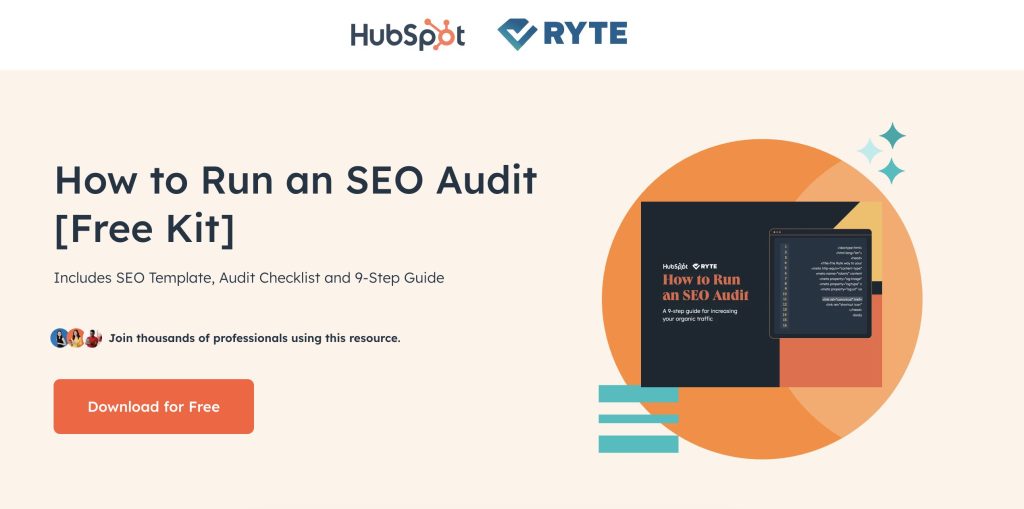
Example: HubSpot offering a free SEO Audit template.
4. Get Listed on SaaS Directories
Product Hunt, G2, Capterra, Saasworthy – these drive backlinks, visibility, and buyer trust. Use launch events or feature updates to refresh mentions. SEMrush’s 2024 SaaS SEO report notes G2 and Capterra pages average 100-500 backlinks per listing.

5. Write Tactical Guest Posts
Don’t write fluff. Publish unique takes or case studies on high-authority SaaS, marketing, or tech blogs. Include links naturally inside the content.
6. Build Comparison & Alternatives Pages
These attract high-intent searches like “HubSpot alternatives” or “Slack vs Microsoft Teams.” These pages earn links from reviewers, bloggers, and listicles.

SaaS Link-Building Tactics That Actually Work
| Tactic | Linkability | Traffic Value | Effort |
| Original data studies | High | High | High |
| Integration landing pages | Medium | Medium | Medium |
| Free tools/templates | High | High | Medium |
| SaaS directory listings | Medium | Medium | Low |
| Guest posts | Medium | High | High |
| Comparison/alternatives pages | High | High | Medium |
Organic link building in SaaS is about publishing value where your users already hang out – and making your content too useful not to cite.
What Google Considers a Natural Backlink
Natural backlinks aren’t just unpaid – they’re earned without manipulation, in a context that makes sense.
Google doesn’t just look at how a link was placed – it cares about why it exists.
A link is considered natural when it’s added editorially by a third party because the content was helpful, relevant, or worth citing. No outreach bribes. No sneaky redirects. No PBN tricks.
According to Google’s guidelines, a natural link meets these criteria:
- It adds value to the content it’s placed in
- It matches the topic and intent of both the source and target page
- It’s not part of a link exchange, paid promotion, or affiliate scheme
- The anchor text is relevant, but not overly optimized
- The link placement is editorial, not sponsored or injected
If a link feels “earned” rather than “inserted,” it passes the test.
Real Example: Backlinko’s “Google Ranking Factors” List
One of the most organically linked SEO pages ever is Brian Dean’s “Google’s 200 Ranking Factors: The Complete List.”

Why it worked:
- Massive value – it aggregated info SEOs were desperate for
- Unique structure – the format made it linkable as a reference piece
- Early mover advantage – it was one of the first to publish this concept
Result:
- Over 15,000 backlinks
- Referenced by Moz, Neil Patel, Ahrefs, and more
- Still ranking years later, still earning links passively
Checklist: Does Google See It As Natural?
| Signal | Good | Bad |
| Editorial placement | ✅ | ❌ |
| Relevant anchor/context | ✅ | ❌ |
| Not paid or exchanged | ✅ | ❌ |
| On a relevant site | ✅ | ❌ |
| Clearly useful for the reader | ✅ | ❌ |
If your backlink can pass these five tests, Google will count it. And if enough of your links meet these signals, your entire domain builds trust.
How B2B vs. B2C Brands Should Approach Organic Links
B2B wins with content depth. B2C wins with shareability. The playbooks aren’t interchangeable.
Organic link building in B2B and B2C requires understanding who’s linking – and why they would. B2B content attracts links when it helps people make better business decisions.

Think guides, research, tools, and in-depth explainers. In B2C, links come from emotional impact, entertainment, and social proof – blogs, influencers, news stories, and viral content.
B2B Organic Link Strategy
- Focus: Authority, expertise, problem-solving
- Best Content: Case studies, whitepapers, comparison pages, calculators
- Top Link Sources: Industry blogs, partners, SaaS tools, thought leaders
- Example: A cybersecurity firm publishing a detailed breach response checklist that gets picked up by IT blogs
B2C Organic Link Strategy
- Focus: Emotion, utility, entertainment
- Best Content: Listicles, visual guides, reviews, lifestyle tools
- Top Link Sources: Lifestyle blogs, YouTube, TikTok, roundup pages
- Example: A kitchenware brand offering a viral “air fryer cheat sheet” that food bloggers embed and share
B2B vs. B2C: Organic Link Differences
| Factor | B2B | B2C |
| Decision Journey | Long, research-driven | Fast, emotion-driven |
| Link Sources | Niche blogs, partners | Influencers, lifestyle sites |
| Content Style | Deep, data-heavy | Light, engaging, visual |
| Link Velocity | Slow and steady | Fast bursts (viral) |
| Best Hook | Expertise | Shareability |
Both approaches rely on value. But B2B earns links through authority. B2C earns links through resonance.
If your link strategy doesn’t match your market’s mindset, you’re wasting effort.
Why Faking Organic Link Building Backfires
Trying to look natural while doing everything unnatural is the fastest way to tank trust – with Google and your audience.
A lot of marketers try to fake organic links by disguising paid placements or automating guest post spam. It works – until it doesn’t.

The problem? Google’s systems are designed to detect patterns. And fake organic links leave footprints.
Here’s what faked “organic” links usually look like:
- Guest posts on irrelevant, low-quality blogs with keyword-stuffed anchors
- Sponsored content not marked as sponsored
- PBNs (Private Blog Networks) linking between owned sites
- Mass outreach using AI or templates to insert links into thin content
- Link inserts that serve no editorial value
These might not trigger a penalty right away, but they will dilute your authority. Google either ignores them or applies manual actions once patterns become obvious.
Either way, you’re wasting budget – and risking more.
Penalties That Hit Faked Link Profiles
| Violation Type | Risk Level | Penalty Type |
| Buying links (undisclosed) | High | Manual Action |
| Link swaps/schemes | Medium | Algorithmic devaluation |
| Over-optimized anchors | High | Spam filter |
| Low-quality guest post spam | High | Deindexing |
| Hidden paid sponsorships | High | Trust loss |
Google’s not looking for quantity. It’s looking for intent. And faking organic intent is both obvious and dangerous.
How To Build an Organic Link Strategy That Actually Works
You don’t need more links. You need a system that earns the right links over time – without chasing or paying for them.
A solid organic link strategy isn’t random outreach or hope-based blogging. It’s a structured process with 5 steps:
1. Audit Your Existing Backlinks
Start by cleaning house. Use Ahrefs or SEMrush to identify:
- Spammy links
- Irrelevant domains
- Overused anchor text
Disavow or prune low-quality links. Keep the ones tied to your niche, content, and audience.
2. Publish Link-Worthy Content
Use the formats proven to earn links:
- Research/data posts
- Visual explainers
- Comparison pages
- Original tools or templates
Every page should solve a problem worth citing.
3. Optimize for Discovery
Even great content needs help getting found.
- Optimize for SEO so it ranks and earns passive links
- Promote through newsletters, social, and industry communities
- Use schema markup where relevant
4. Outreach with Precision, Not Spam
Skip mass emails. Instead:
- Pitch specific content to relevant blogs
- Reference why it fits their content
- Keep the email short, clear, and non-promotional
5. Monitor and Refine Monthly
Track:
- Which pages earn the most links
- What sources link most often
- Which content types perform best
Double down on what works. Improve or retire what doesn’t.
Organic Link Strategy Framework
| Phase | Goal | Tool/Action |
| Audit | Remove weak links | Ahrefs, SEMrush |
| Publish | Create linkable content | Internal team or freelancers |
| Optimize | Ensure discovery & ranking | On-page SEO, promotion |
| Outreach | Share with relevant sources | Targeted email outreach |
| Refine | Improve based on results | Link tracking + content update |
Organic link building works if you build consistently, publish value, and stay aligned with what your audience (and Google) actually respects.
Conclusion: Organic Link Building Wins Long Term
Organic link building works because it earns trust. Not just with users – but with Google’s algorithm. The links last longer, perform better, and come with none of the baggage that paid placements bring.
We defined what organic links are: naturally earned, editorially placed, and contextually relevant. They matter because Google rewards them and because they send higher-quality traffic than paid links ever could.
You saw the difference between earned and bought links – in performance, risk, and ROI. Then we broke down the exact tactics for earning organic links: from data-driven content to integration pages, from tools to comparison guides.
We covered how B2B and B2C brands should adjust their approach – and why faking organic links is a short-term play that kills long-term growth.
Finally, we mapped a five-step strategy: audit, publish, optimize, outreach, refine. That’s your system. No guesswork. No shortcuts. Just sustained authority built on value.
FAQ: Organic Link Building
What’s the difference between organic and natural links?
They’re the same thing. Both refer to links earned without payment or manipulation.
Do I need backlinks to rank on Google?
Yes. Backlinks are one of Google’s core ranking signals – especially in competitive niches.
Can I ask for an organic link?
You can request a link, but if it’s placed because your content is valuable and relevant, it’s still organic.
Are guest posts considered organic?
Yes, if they’re placed editorially and the link fits the context – not just inserted for SEO.
How do I make content people want to link to?
Solve specific problems. Use data, visuals, tools, or in-depth guides that support others’ content.
What if my niche is too boring to get links?
No niche is boring – only boring content. Focus on utility, research, or unique angles.
Are directories considered organic links?
Most are not. Especially if they’re generic or pay-to-play. Stick to trusted, niche-relevant directories.
What’s the biggest mistake in organic link building?
Trying to fake it. Link schemes, keyword-stuffed anchors, and irrelevant placements all backfire.




 Start the conversation